
Open for new requests
Electronic devices
If you’re tired of checking things manually, losing time, or not knowing what’s happening — a simple device can detect, notify, and act.
- check_circleget alerts when something stops working
- check_circlemonitor temperature or environment remotely
- check_circleautomate equipment or lights
- check_circlecontrol devices from phone
- check_circleupgrade old machines with smart features
- check_circleintegrate with existing systems
3 services, clear and practical
Choose the outcome you want
Monitoring Systems
Devices that observe conditions and notify you when something changes.
Examples
- check_circletemperature monitoring
- check_circlemachine activity detection
- check_circledoor / motion alerts
- check_circlewater level tracking
- check_circleenvironment monitoring
- check_circleenergy consumption tracking
Best for
Situations where someone currently checks manually.
Control & Automation Systems
Devices that perform actions automatically based on conditions.
Examples
- check_circleautomatic irrigation
- check_circlefan or heater control
- check_circlescheduled power switching
- check_circlesafety shutdown triggers
- check_circleprocess automation
- check_circleenergy consumption optimization
Best for
Replacing manual repetitive actions.
Connected Devices (IoT)
Devices accessible remotely from your phone or a simple web page.
Examples
- check_circleremote equipment control
- check_circlestatus dashboard
- check_circlenotifications on phone
- check_circleremote restart / activation
- check_circledata history tracking
- check_circleintegration with other systems
Best for
Managing things from distance.
Help me choose
A simple mapping
| I want… | Recommended |
|---|---|
| to know when something happens | Monitoring |
| something to act automatically | Automation |
| to control remotely | Connected Device |
Recent builds
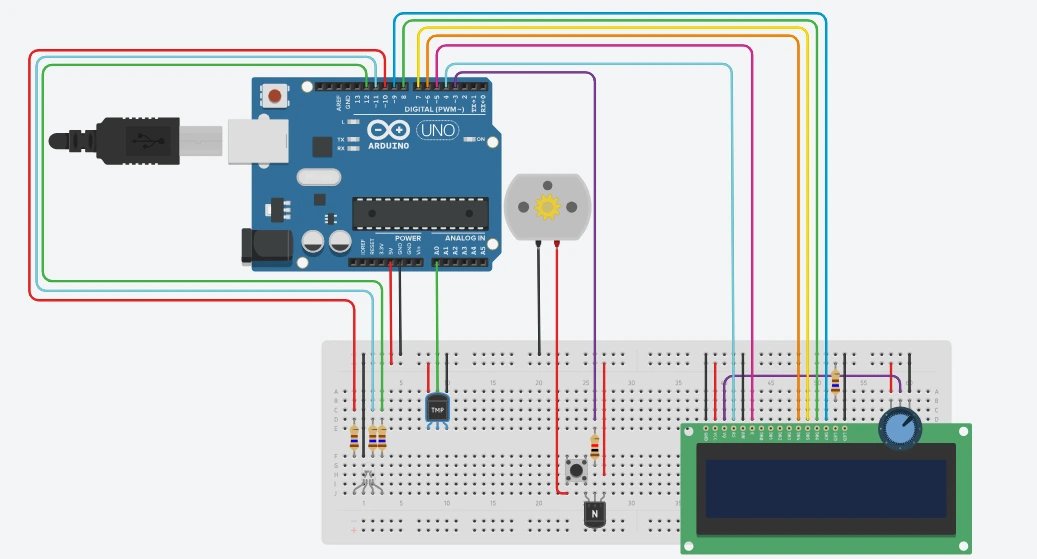
Smart Thermal-Adjusting Fan System
Problem
Standard fans run at a fixed speed regardless of the actual room temperature. This leads to wasted energy, constant background noise, and the annoyance of having to manually adjust settings as the environment warms up or cools down throughout the day.
What it does
This system uses an Arduino Uno and a TMP36 sensor to automate cooling. It monitors ambient heat in real-time and uses PWM signals to dynamically adjust the fan speed. A built-in LCD screen provides instant visual feedback on the current temperature and system status.
Benefit
The result is a "set and forget" cooling solution that improves energy efficiency and reduces noise. By reacting instantly to thermal changes, it protects electronics from overheating and maintains a comfortable workspace without any manual intervention.
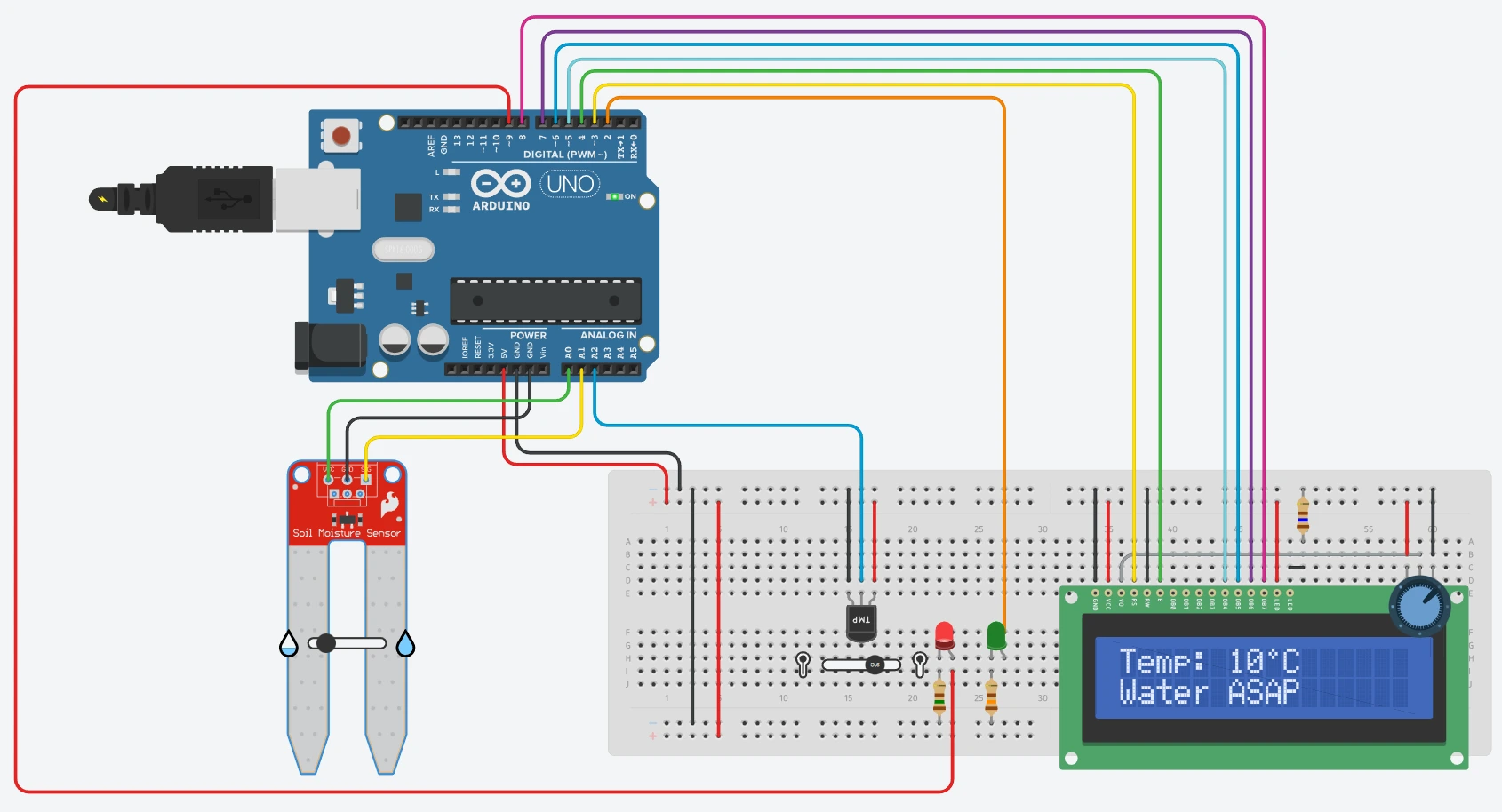
Terrarium Climate Control System
Problem
Maintaining the delicate balance of humidity and temperature in a terrarium is difficult with manual checks. Sudden drops in moisture or spikes in heat can stress or damage sensitive plants and animals, especially when owners are away for long periods.
What it does
This system uses an Arduino Uno integrated with soil moisture and temperature sensors to provide 24/7 monitoring. The device displays live climate data on an LCD screen and uses LED indicators to signal critical conditions, such as "Water ASAP," ensuring immediate awareness of environmental changes.
Benefit
The result is a stable, controlled environment that ensures the health of the terrarium's ecosystem with minimal effort. By providing clear alerts and constant tracking, it removes guesswork and prevents costly losses, offering peace of mind to the owner.
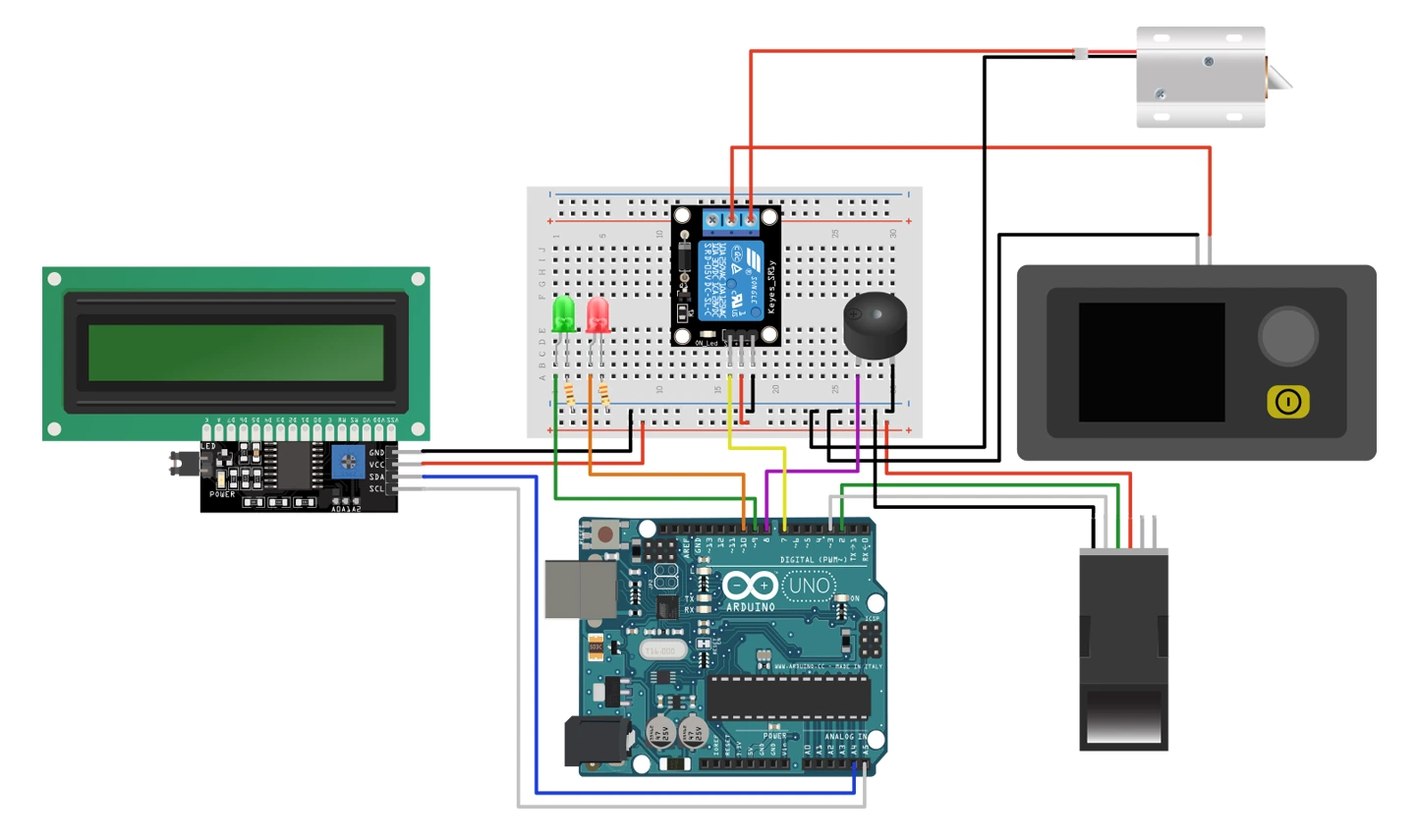
Biometric Fingerprint Access Control
Problem
Traditional keys and passcodes are easily lost, stolen, or forgotten, creating security vulnerabilities. Relying on physical keys often leads to locked-out situations or the need for expensive lock replacements when keys go missing.
What it does
This build uses an Arduino Uno and a fingerprint scanner to create a keyless entry system. The controller matches scanned prints against a secure database to trigger a 12V solenoid lock via a relay. An I2C LCD provides real-time status updates, while LEDs and a buzzer offer immediate sensory feedback during the authentication process.
Benefit
The result is a high-security, convenient access solution that eliminates the need for physical keys. It provides a fast, reliable way to secure lockers, doors, or private offices, ensuring that only authorized personnel can gain entry with a simple touch.
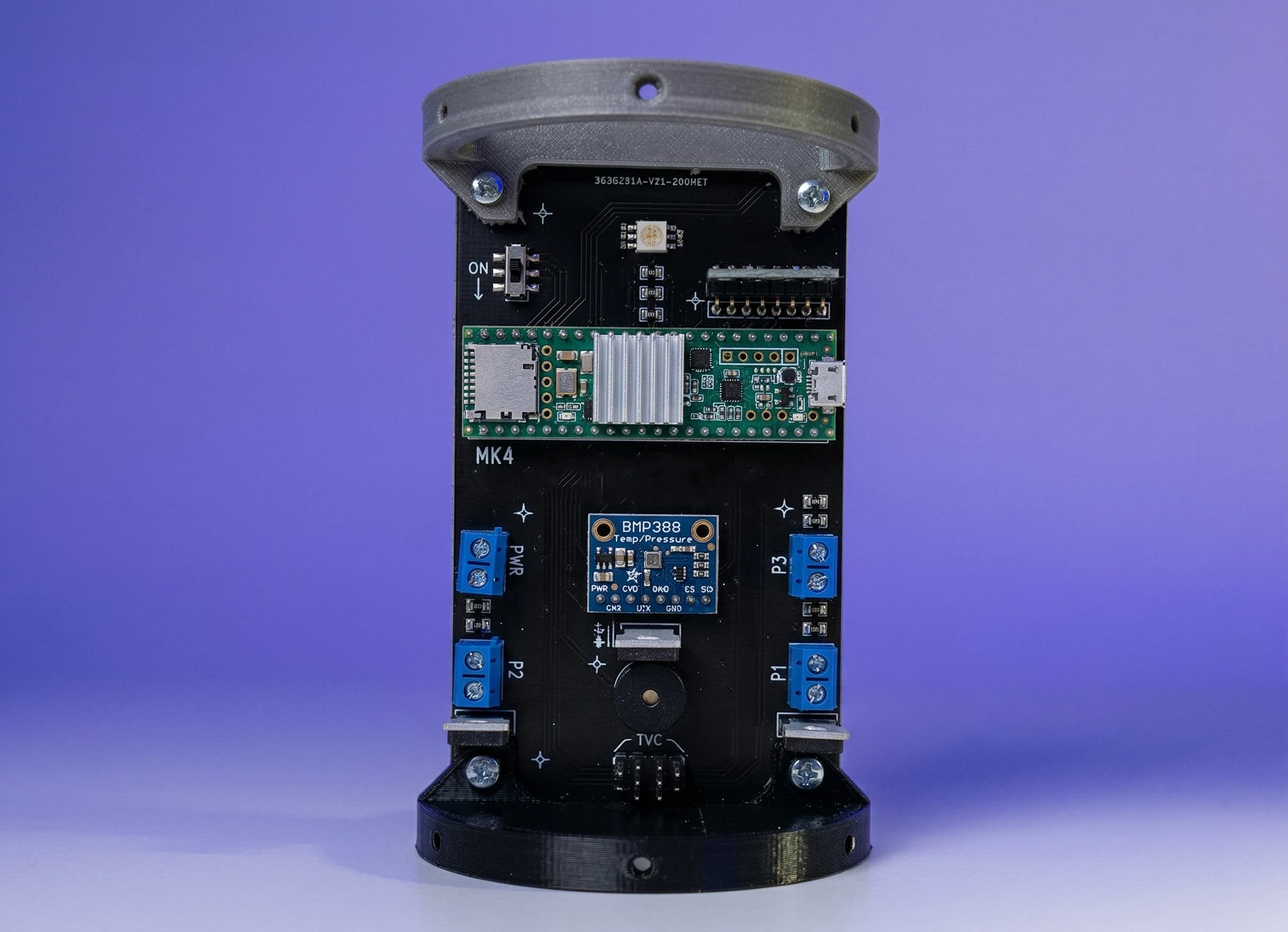
Advanced Rocket Flight Computer
Problem
Model rockets often lack precise stability and flight data, leading to unpredictable trajectories and difficult recovery. Without real-time telemetry and altitude sensing, it is nearly impossible to analyze performance or ensure the rocket stays upright and safe during high-velocity launches.
What it does
The Flight Computer uses a Teensy 4.0 microcontroller integrated with a BMP388 pressure sensor and IMU for precision tracking. It monitors altitude, orientation, and velocity in real-time, recording all flight data to an SD card while using active control algorithms to keep the rocket on its intended course.
Benefit
The result is a significant improvement in flight stability and data collection for model rocketry enthusiasts. By providing detailed telemetry and active control, it enhances the safety and success of launches, allowing for better performance analysis and more consistent flight paths.
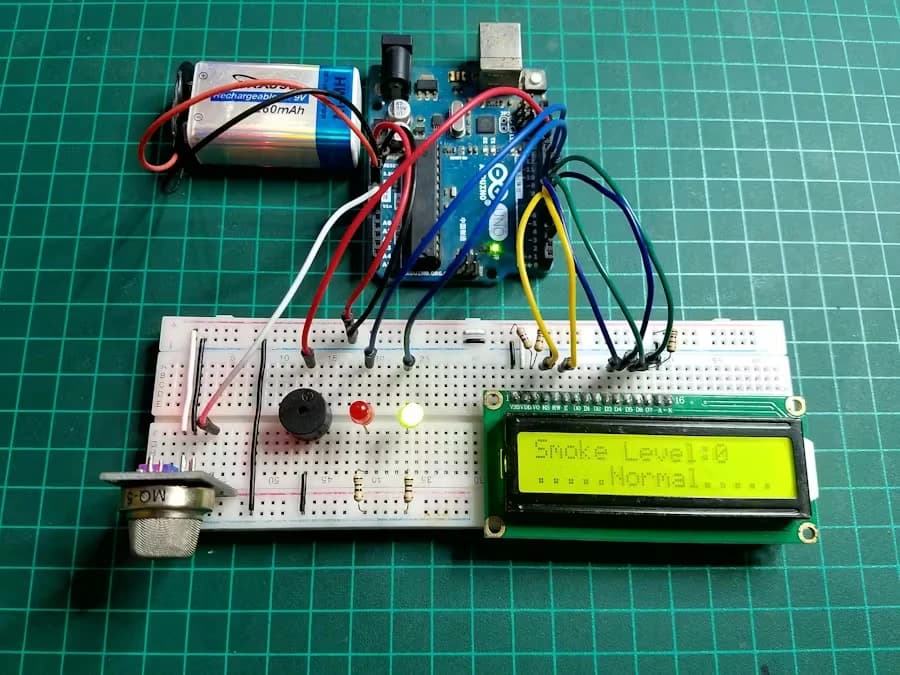
Smart Gas & Smoke Detector
Problem
Gas leaks and early-stage smoke are often invisible and odorless, making them impossible to detect until a dangerous situation arises. Without a constant monitoring system, households and workshops are at high risk of fire or gas poisoning, especially during the night or in unoccupied areas.
What it does
This device uses an Arduino Uno and an MQ-series gas sensor to provide continuous air quality surveillance. It detects concentrations of smoke and hazardous gases in real-time, displaying the exact levels on an LCD screen. When a safety threshold is crossed, the system triggers a high-pitch buzzer and red LED alerts to ensure immediate evacuation or intervention.
Benefit
The result is a reliable, life-saving safety layer that provides early warning before a minor leak becomes a disaster. It offers peace of mind by transforming a manual worry into an automated monitoring process, making it an essential upgrade for any modern kitchen, garage, or laboratory.
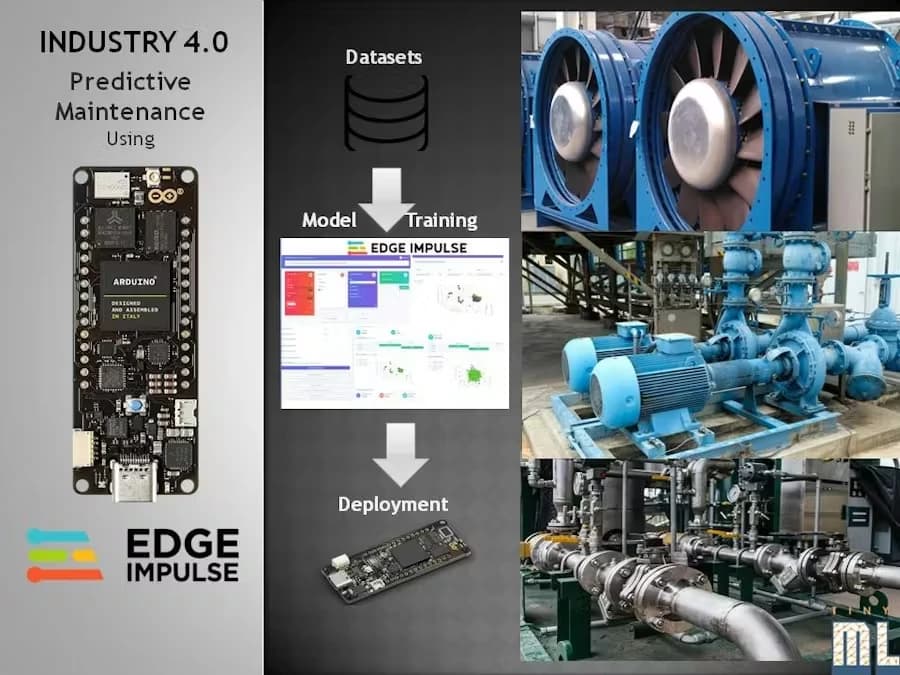
AI-Driven Predictive Maintenance
Problem
Industrial machinery like pumps and fans often fail unexpectedly, causing costly downtime and emergency repairs. Traditional maintenance relies on fixed schedules or reacting only after a breakdown occurs, which fails to detect internal anomalies or subtle wear and tear before they become critical failures.
What it does
This system utilizes an Arduino Portenta H7 and Edge Impulse to implement a TinyML (Machine Learning) model directly on the hardware. By analyzing vibration and sound patterns in real-time, the device can distinguish between "normal" operation and "anomalous" behavior, identifying potential mechanical issues before they are even visible to the human eye.
Benefit
The result is a smart, proactive monitoring solution that shifts maintenance from reactive to predictive. By alerting technicians to early signs of failure, it significantly reduces operational costs, prevents sudden production halts, and extends the overall lifespan of expensive industrial equipment.
Simple process
Collaboration first. Max 4 steps.
1
Describe the need
You describe the situation and what you want to happen.
2
Prototype
We build a first working version to test the idea.
3
Adjust
We tweak behavior based on real usage and feedback.
4
Deliver
You get the device ready to use, plus a clear handover.
Send your idea
Answer a few guided questions and I’ll reply with next steps.
You only need to describe the situation. No technical knowledge required.